This is the fourth excerpt in a five-part series tracing the history of The Plaza Theatre in downtown Palm Springs. The storied venue opened Dec. 12, 1931, with the world premiere of Camille, starring Greta Garbo and Robert Taylor. This month, we turn to the 1990 debut of the international film festival that ushered in a new era for the city. Click here to order your copy of Desert Dream to Silver Screen: The Story of the Historic Palm Springs Plaza Theatre by Catherine Graham and Jim Cook.
It was déjà vu all over again. The Hollywood-style glamour of the 1936 premiere of Camille returned on opening night of the inaugural Palm Springs International Film Festival (PSIFF). Searchlights streaked across the Coachella Valley sky as a mariachi band performed in The Plaza Theatre courtyard, and a red carpet stretched from the curb to the lobby. A packed house erupted with enthusiasm as Mayor Sonny Bono welcomed everyone to the festival’s first night on Jan. 10, 1990.
Bono aimed to transform his brainchild into “The Cannes of the West” — an important film marketplace and cultural event designed to revitalize Palm Springs’ economy and artistic scene. He succeeded. Today, PSIFF is a fixture on the global festival circuit, a key event for Oscar campaigns and A-list talent.
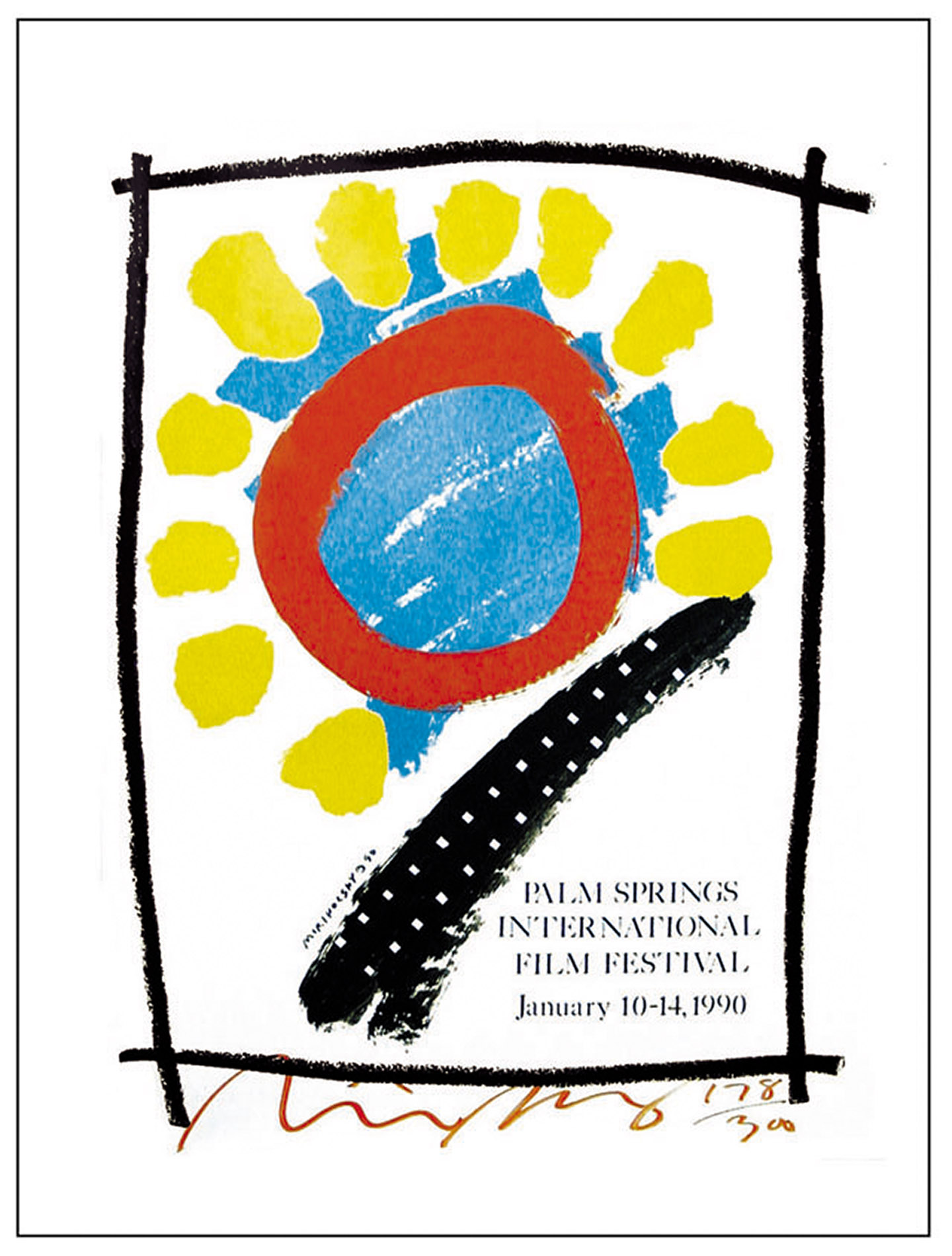
The inaugural festival poster.
It all started in 1986, when Sonny Bono was a restaurant owner in Palm Springs and was invited to chair the Palm Springs Chamber of Commerce Tourism Committee — a pro bono position intended to boost a declining downtown. He shared numerous ideas, but the film festival concept ignited his passion, and he pursued it with relentless determination.
“Sonny Bono saw an opportunity, and he took it,” said Bruce Fessier, longtime entertainment writer for The Desert Sun who served on the inaugural festival board. With Los Angeles lacking an international film festival … Bono saw a void to fill. “He was a very bright man,” Fessier said. “He only sounded illiterate.” Bono’s love for foreign films, especially Italian cinema, drove his goal of positioning Palm Springs as a key player on the film festival circuit while promoting economic growth in his newly adopted hometown.
To fund the first festival, Bono organized a celebrity tennis tournament followed by a gala dinner at his restaurant. The event had the glitz and glamour associated with Hollywood, featuring Jim Messina of Loggins & Messina fame. The gala raised $10,000 in seed money for the festival.
But first, Bono needed to renovate the theater. He had only seven months from Metropolitan’s final screening in the auditorium before the festival’s opening in January 1990.
The initial priority was removing the “twinning” wall that divided the grand auditorium, then replacing seats, the screen, and the stage curtain while adding new projectors and a modern sound system. Guests arrived on opening night with the wall paint still tacky; some seats were installed only hours before the grand opening.
The inaugural Palm Springs International Film Festival ran for five days. … Appropriately, given Bono’s love for all things Italian, the opening night film was Cinema Paradiso, a cinematic valentine to old movies and film. It became Italy’s entry for Best Foreign Film at the Academy Awards and won the Oscar.
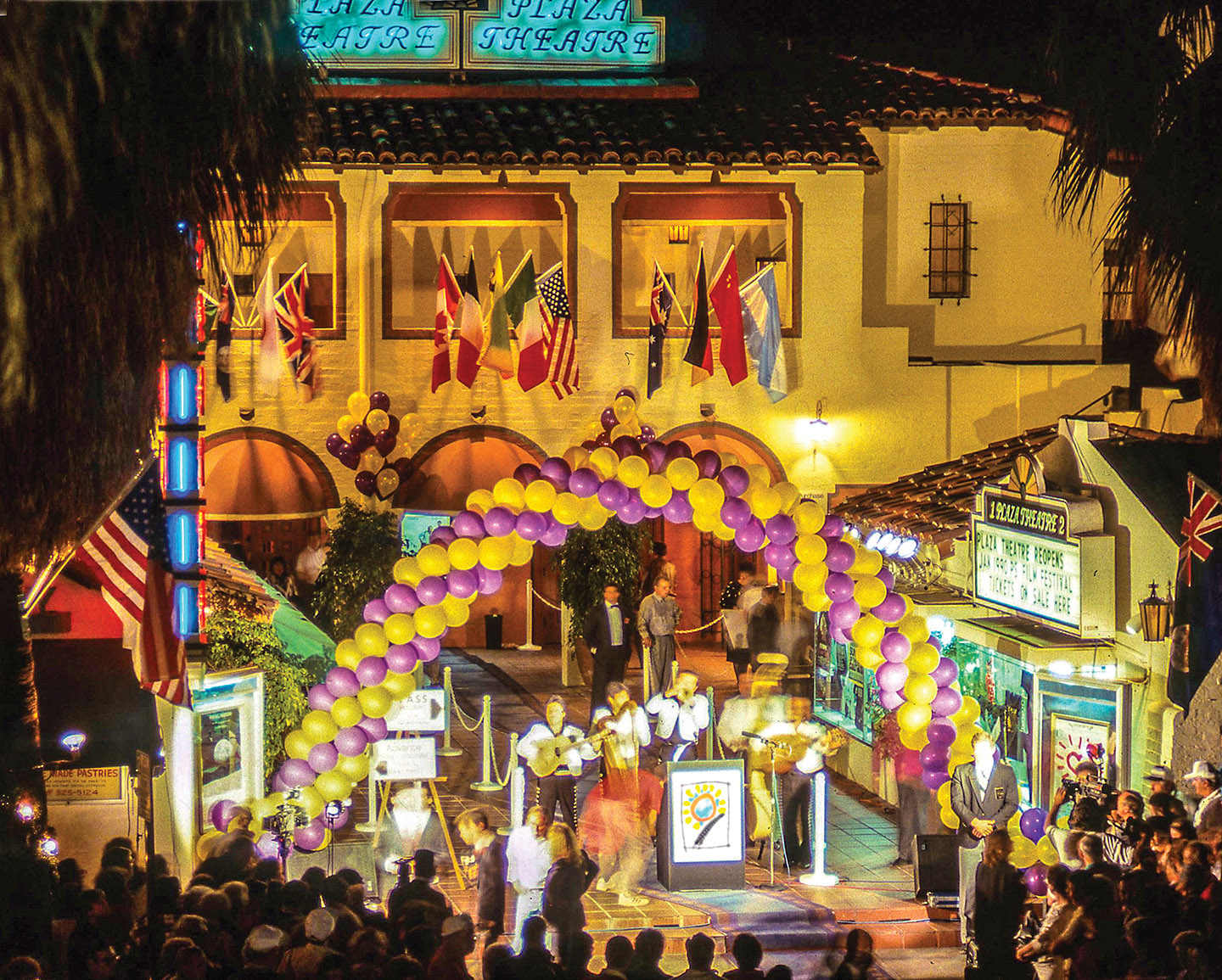
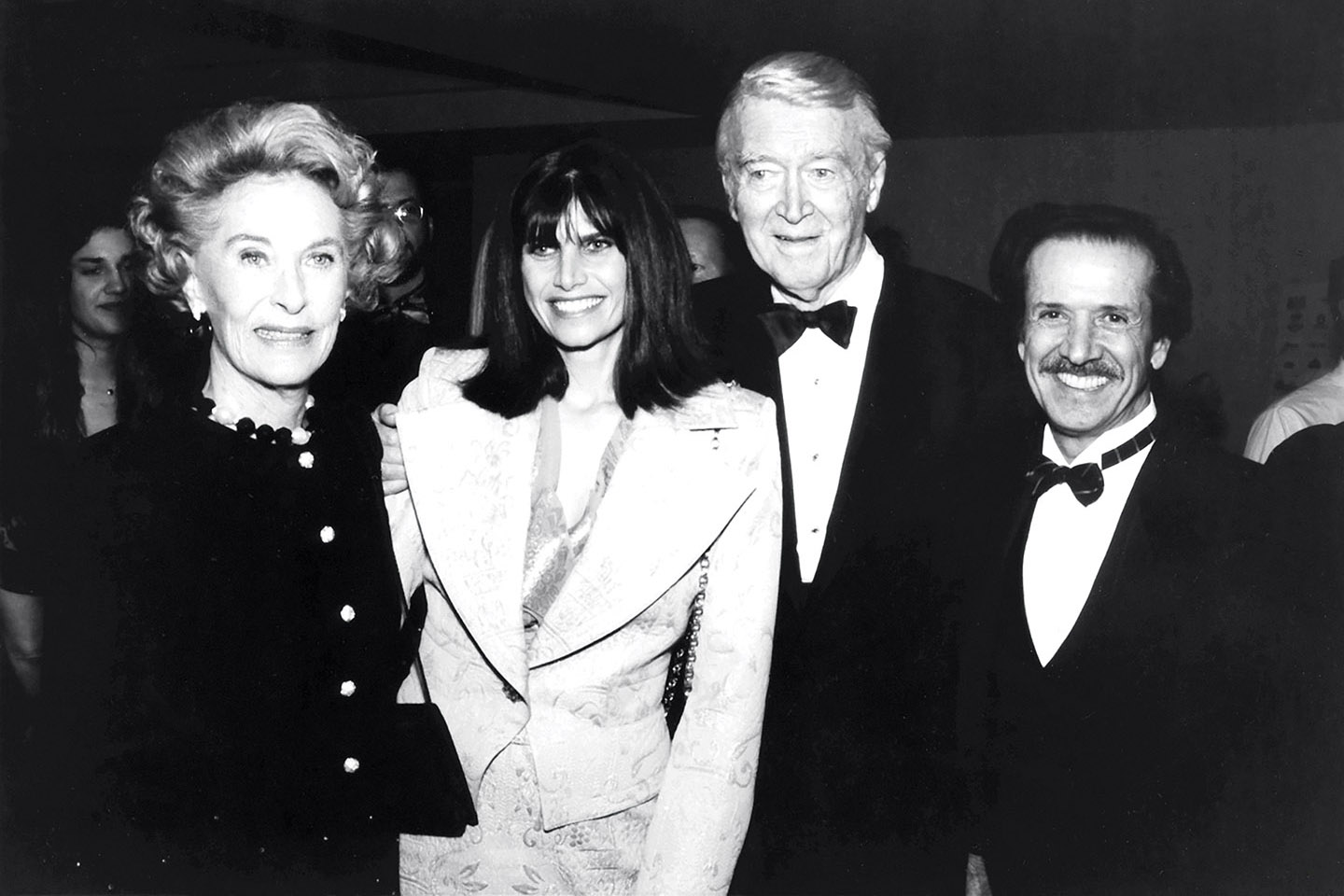
Opening night of the Palm Springs International Film Festival, Jan. 10, 1990.
In honor of longtime Palm Springs resident Kirk Douglas, Spartacus began the first day of events at The Plaza Theatre at 10 a.m., followed at 2 p.m. by Lust for Life with Douglas as Vincent van Gogh. While The Plaza Theatre served as the festival’s home base, films also screened at Camelot Theatres and Palm Springs Art Museum’s Annenberg Theater. Though the inaugural festival — and subsequent ones — operated at a loss, it revitalized downtown Palm Springs and its restaurants, bars, and hotels, attracting an estimated 17,000 attendees and the attention of major film press outlets like Variety, The Hollywood Reporter, and Los Angeles Times.
Sonny Bono had successfully put Palm Springs and its festival on the film industry map.
The next year, the festival expanded to feature 120 films and drew 40,000 attendees over five days. By its 36th year in January 2025, it had grown to an 11-day affair with events across the Coachella Valley. The addition of ShortFest each June solidified the festival’s status as the largest short-film festival and market in North America.
get the book
Discover the full story in Desert Dream to Silver Screen: The Story of the Historic Palm Springs Plaza Theatre. Click to order your copy.